Blog article
PCOS and Fertility: Ovulation, Treatment Options and When IVF May Be Considered
PCOS can make ovulation less predictable, but natural conception remains possible. Fertility care should be stepwise, couple-centred and free from weight stigma.
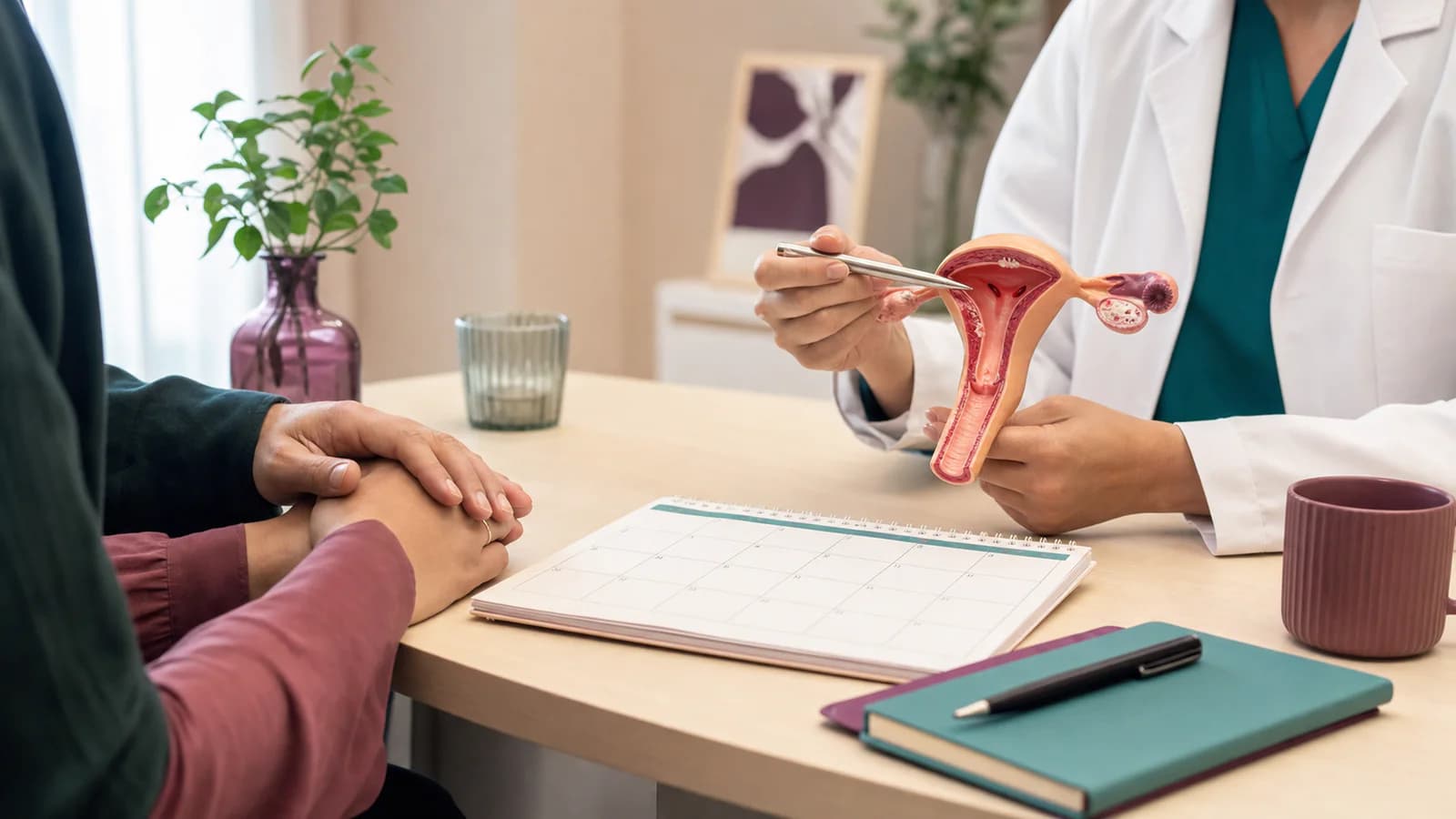
How PCOS may affect fertility
PCOS commonly affects the regular release of an egg. Cycles may be long, unpredictable or absent, which reduces the number of ovulatory opportunities and makes timing difficult. Some people with PCOS ovulate regularly, and natural conception remains possible. The diagnosis does not define one person’s fertility future.
Fertility also depends on age, sperm, fallopian tubes, uterine factors, sexual timing and other health conditions. It is therefore incomplete to assume that PCOS explains the entire delay. A couple-centred evaluation prevents months of treatment aimed only at ovulation when another factor also needs attention.
Assessment includes both partners
Evaluation reviews cycle pattern, symptoms, previous pregnancies, medicines and metabolic health. Selected hormone tests and ultrasound may help confirm the diagnosis or exclude other causes of irregular cycles. Ovarian reserve markers can be interpreted in context, but they do not independently predict natural conception.
Semen analysis and the need and timing of tubal-patency assessment are decided before or alongside ovulation induction according to history and treatment complexity. Earlier assessment may be appropriate when another fertility risk is present or age makes delay more significant.
Lifestyle support without weight stigma
Nutrition, movement, sleep and emotional wellbeing support health in PCOS regardless of body size. There is no single PCOS diet and no requirement to earn fertility treatment through a particular appearance. Care should ask what changes are safe, sustainable and relevant to the person’s metabolic profile and preferences.
For some people seeking weight management, a modest change may improve ovulation or pregnancy health. Others may benefit from weight-neutral goals such as regular meals, strength and aerobic activity, improved sleep or reduced smoking. Shaming language can delay care and does not improve clinical decisions.
Ovulation-induction treatment
For women with anovulatory PCOS and no other infertility factor, letrozole is the preferred first-line pharmacological ovulation-induction treatment under current evidence-based guidance. It remains off-label for this indication in some countries or settings. Pregnancy must be excluded before treatment, and prescribing and monitoring follow local practice.
Treatment should have a defined goal, instructions for timing and a review point. Do not take fertility medicines without supervision or extend a course beyond the agreed plan. Monitoring is individualized to confirm response and reduce multiple-pregnancy or excessive-response risk.
Second-line treatment and IUI
If appropriate first-line treatment has not succeeded, broad second-line options can include carefully monitored low-dose gonadotrophins or selected laparoscopic ovarian surgery. The choice depends on response, other fertility factors, risks, access and preference; this article does not prescribe a regimen.
Intrauterine insemination may be considered in selected couples based on semen, tubal status, duration and local practice. PCOS alone does not make IUI necessary. Counselling should explain the purpose, monitoring, multiple-pregnancy risk and the agreed review point.
When IVF may enter the plan
In the absence of another absolute indication, IVF is generally considered after appropriate first- and second-line ovulation-induction options have failed. Earlier IVF may be appropriate when another fertility factor or time-sensitive circumstance changes the balance. It is not the inevitable outcome of PCOS.
People with PCOS have an increased risk of ovarian hyperstimulation syndrome during IVF. Individualized stimulation and, when appropriate, an antagonist protocol, agonist trigger or freeze-all strategy can reduce risk. Elective single-embryo transfer helps reduce multiple pregnancy in suitable circumstances. These are counselling options, not a prescribed protocol.
Pregnancy planning and early care
Before conception, review folate advice, medicines, blood pressure, glycaemic status, smoking, alcohol, sleep and emotional health. The oral glucose tolerance test is the most accurate glycaemic assessment in PCOS and should be considered when planning pregnancy or fertility treatment. Testing follows the local pathway.
PCOS is associated with higher rates of some pregnancy complications, including gestational diabetes and blood-pressure disorders, but this does not predict an adverse outcome for an individual. Early antenatal care can establish the appropriate screening and monitoring plan.
Irregular periods can make pregnancy dating less certain, so contact the pregnancy-care team after a positive test for advice on timing of assessment. Do not continue ovulation medicines after a positive test unless specifically instructed. Report pain, bleeding or severe symptoms through the appropriate direct-care pathway.
Fertility treatment can be emotionally demanding, particularly after long cycles of uncertainty or weight-stigmatizing encounters. Ask for explanations of why each step is recommended and how success will be evaluated. A partner, counsellor or trusted support person can help with decisions, while the couple retains control of private information.
If treatment is paused, request a plan for cycle protection and metabolic follow-up rather than losing contact with care. PCOS health needs continue even when pregnancy is not the immediate goal. Fertility, menstrual and long-term health plans should support one another.
Frequently Asked Questions
Can someone with PCOS conceive naturally?
Does each person with PCOS need weight loss?
Is IVF the first fertility treatment for PCOS?
Why is semen analysis needed if I have PCOS?
Sources and References
These authoritative sources support the educational statements in this article. They do not replace personalised assessment or medical advice.
- American Society for Reproductive Medicine: Recommendations from the 2023 International Evidence-based Guideline for the Assessment and Management of Polycystic Ovary SyndromePublication year 2023Checked 29 July 2026
- World Health Organization: Polycystic ovary syndrome fact sheetPublication year 2026Checked 29 July 2026
- American Society for Reproductive Medicine: Fertility evaluation of infertile women: a committee opinionPublication year 2021Checked 29 July 2026
PCOS clinic
Review fertility-focused and long-term PCOS care.
PCOS nutrition and lifestyle
Read practical, non-restrictive lifestyle guidance.
Fertility evaluation
Understand when and how both partners are assessed.
Related services
Related articles
What Is PCOS? Symptoms, Diagnosis and Treatment Options
A simple guide to PCOS symptoms, diagnosis, fertility impact, and treatment choices for women seeking clear answers.
PCOS Nutrition and Lifestyle: What Actually Helps
There is no single PCOS diet. Sustainable food, movement, sleep and mental-health support should reflect individual goals, culture and metabolic needs.
Common Female Factors in Infertility—and Why Both Partners Are Assessed
A couple-centred guide to common female fertility factors, the purpose and limits of testing, and how a structured evaluation brings the full picture together.